What Are Tiered Loyalty Programs: Concept, Examples and Best Practices

A tiered loyalty program is a structured rewards model where benefits increase as customers move up through different levels based on their spend or engagement. These tier-based loyalty programs are popular across retail, travel, subscription, and B2B markets because they create aspiration, status, and clear reasons to keep coming back. In this article, readers will learn how tiered rewards programs work, the main types of tiered loyalty programs, real-world tiered loyalty program examples, and practical best practices for designing and managing a structure that grows customer value over time.
 

What Is a Tiered Loyalty Program?

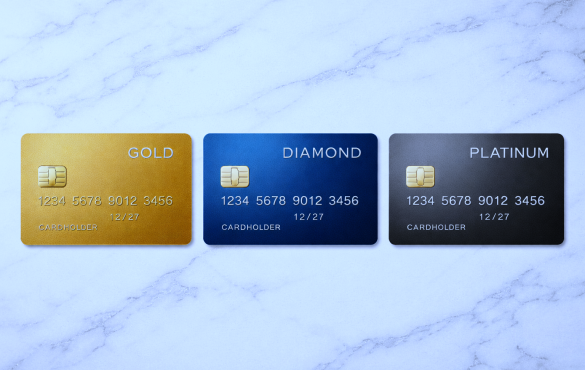
A tiered loyalty program is a customer loyalty structure where members receive escalating rewards and privileges as they progress through predefined levels, such as Silver, Gold, and Platinum. Unlike single-level programs where everyone gets the same benefits, tiered loyalty programs differentiate rewards based on spend, frequency, or engagement, giving high-value customers more exclusive perks and recognition. This tier-based loyalty approach taps into customers’ desire for status and achievement, making the relationship gamified, more engaging and long-term.
 

How Tiered Loyalty Programs Work

Most tiered rewards programs start with an entry-level tier that is free and easy to join, ensuring low friction for new members. Customers earn points or progress by spending, completing activities, or engaging with the brand; once they hit defined thresholds, they unlock higher tiers with better benefits, like bigger discounts, faster point accrual, or VIP access. Many tiered loyalty programs also require members to maintain a certain level of activity over a period (e.g., annual spend) to keep their status, which encourages ongoing engagement and repeat purchases.
 

Benefits of Tier-Based Loyalty Programs

Tier-based loyalty programs deliver multiple benefits for both customers and brands.

  • They enhance engagement by giving customers visible progress and clear next goals, which increases visit frequency and basket size.
     
  • They drive higher customer lifetime value because members are motivated to spend more and stay longer to reach and maintain premium tiers.
     
  • They help brands allocate rewards more efficiently, concentrating the richest benefits on their most valuable customers while still offering baseline perks to everyone.
     
  • They build emotional loyalty by providing status, recognition, and exclusivity rather than just transactional discounts.

Research suggests that well-designed tiered loyalty programs can generate significantly higher ROI than single-tier models when benefits and thresholds are set strategically.
 

Types of Tiered Loyalty Programs

Different tiered loyalty program structures suit different business models:

  • Progression-based tiered loyalty programs: Customers advance tiers through cumulative spend, points, or engagement over time, common in retail and fashion.
     
  • Status-based tiered loyalty programs: Tiers reflect ongoing status (e.g., frequent flyer levels) tied to annual activity, typical in airlines and hotels.
     
  • Milestone-based tiers: Members unlock tiers by hitting specific goals such as number of purchases, anniversaries, or referrals.
     
  • Subscription or fee-based tiers: Customers pay to access higher tier benefits (e.g., premium memberships with extra perks).
     
  • Hybrid tiered loyalty programs: Combine multiple criteria like spend, activities, and referrals to determine progression and benefits.

Each type can be adapted into tiered rewards programs depending on customer behavior and business objectives.
 

Examples of Tiered Loyalty Programs

Retail 

Retailers like Sephora and H&M use tiered loyalty programs to reward increasingly loyal shoppers with exclusive products, early access, and special events. Sephora’s Beauty Insider offers multiple tiers (Insider, VIB, Rouge) with escalating perks such as birthday gifts, point multipliers, and VIP events, driving strong engagement and spend. H&M’s simple two-tier structure (Core and Plus) gives members clear, attainable progression with discounts, free shipping, and fashion experiences.​

Hospitality & Travel

Airlines and hotel chains rely heavily on tier-based loyalty programs. Programs like Marriott Bonvoy or Southwest’s Rapid Rewards tiers provide status-linked benefits including room upgrades, priority boarding, and bonus points, making frequent travelers feel recognized and less likely to switch. The exclusivity of higher levels turns these programs into key differentiators in highly competitive markets.​
 

What Makes a Tiered Loyalty Program Successful

Successful tiered loyalty programs balance aspiration with attainability. Tiers must feel achievable enough that customers believe progression is within reach, yet differentiated enough that higher levels clearly justify increased effort and spend. Clear communication of benefits, criteria, and progress is essential, so members always know where they stand and what to do next. Programs that pair status recognition (names, badges, VIP treatment) with meaningful rewards and experiences tend to generate stronger emotional loyalty and sustained participation.
 

How to Design a Tiered Loyalty Program

Designing a tiered loyalty program starts with defining which customer behaviors to reward, such as spend, frequency, referrals, or engagement. Analyze historical data to set thresholds that stretch customers without making tiers feel unattainable. Next, choose the number of tiers (often three to five) and design a reward ladder where each level offers clearly better perks than the previous one. Plan how members earn, track, and maintain their status, and ensure your tech stack can support real-time tracking and communications. Finally, pilot the program with a segment, gather feedback, and refine benefits before scaling.
 

Common Mistakes in Tiered Loyalty Programs

  • Setting thresholds too high so customers never progress, which kills motivation.
     
  • Offering rewards that feel generic or low-value, especially at higher tiers where expectations are greater.
     
  • Overcomplicating rules, expiration policies, or earning mechanics can also confuse members and depress engagement.
     
  • Some brands fail to communicate progress or benefits frequently, leaving members unaware of their tier status or next steps.
     
  • Finally, ignoring data and not iterating on tier structures and rewards over time can cause tier based loyalty programs to stagnate as customer behavior and market conditions change.
     

Key Takeaway

Tiered loyalty programs give brands a powerful framework to reward customers in a way that reflects their true value and commitment. By structuring escalating benefits across tiers, businesses can increase engagement, retention, and customer lifetime value while reinforcing emotional loyalty through status and recognition. The strongest tiered rewards programs combine clear design, relevant rewards, and ongoing optimization based on data and feedback.

Fielo helps turn this vision into reality with an easy-to-use, configurable loyalty platform designed specifically to boost retention through points-based, tiered, gamified or cashback programs that reward ongoing engagement. By enabling brands across retail, hospitality, e-commerce, healthcare, and restaurants to quickly launch mobile and portal-based programs, Fielo makes it simpler to recognize high-value behaviors, encourage repeat purchases, and keep the brand top of mind.
 

Frequently Asked Questions

What is a tiered loyalty program?

It is a loyalty structure where customers progress through levels (tiers) and unlock increasingly valuable rewards based on spend or engagement.

How do tiered loyalty programs work?

Members join at a base tier, earn points or qualify through activity, move up tiers when hitting thresholds, and receive better benefits at each level.

What are the best examples of tiered loyalty programs?

Frequently cited tiered loyalty program examples include Sephora Beauty Insider, Starbucks Rewards, Marriott Bonvoy, and airline frequent flyer programs.

What is the difference between tiered loyalty programs and points-based programs?

Points programs reward every member similarly for points; tiered loyalty programs use tiers to differentiate benefits based on cumulative value or engagement.

Why do tiered rewards programs increase customer retention?

They encourage customers to keep spending to reach or maintain status, creating ongoing incentives and stronger emotional connection.

How many tiers should a loyalty program have?

Most experts recommend three to five tiers to balance simplicity with enough differentiation to motivate progress, but two levels only can also be effective.

What rewards work best in tier-based loyalty programs?

A mix of financial perks (discounts, points multipliers) and experiential benefits (early access, VIP support, events) performs best.

Are tiered loyalty programs suitable for small businesses?

Yes, even simple two or three-tier structures can work for smaller brands if thresholds and rewards are realistic.

How do customers move up tiers in a tiered loyalty program?

Progress is usually based on cumulative spend, points earned, activities completed, or combinations of these over a set period.

What industries benefit most from tiered loyalty programs?

Retail, travel and hospitality, subscription/SaaS, financial services, and B2B partner channels all see strong impact from tiered loyalty programs.

 

Related articles

What Are Tiered Loyalty Programs: Concept, Examples and Best Practices

A tiered loyalty program is a structured rewards model where benefits increase as customers move up through different levels based on their spend or engagement. These tier-based loyalty programs are popular across retail, travel, subscription, and B2B markets because they create aspiration, status, and clear reasons to keep coming back. In this article, readers will learn how tiered rewards programs work, the main types of tiered loyalty programs, real-world tiered loyalty program examples, and practical best practices for designing and managing a structure that grows customer value over time.
 

What Is a Tiered Loyalty Program?

A tiered loyalty program is a customer loyalty structure where members receive escalating rewards and privileges as they progress through predefined levels, such as Silver, Gold, and Platinum. Unlike single-level programs where everyone gets the same benefits, tiered loyalty programs differentiate rewards based on spend, frequency, or engagement, giving high-value customers more exclusive perks and recognition. This tier-based loyalty approach taps into customers’ desire for status and achievement, making the relationship gamified, more engaging and long-term.
 

How Tiered Loyalty Programs Work

Most tiered rewards programs start with an entry-level tier that is free and easy to join, ensuring low friction for new members. Customers earn points or progress by spending, completing activities, or engaging with the brand; once they hit defined thresholds, they unlock higher tiers with better benefits, like bigger discounts, faster point accrual, or VIP access. Many tiered loyalty programs also require members to maintain a certain level of activity over a period (e.g., annual spend) to keep their status, which encourages ongoing engagement and repeat purchases.
 

Benefits of Tier-Based Loyalty Programs

Tier-based loyalty programs deliver multiple benefits for both customers and brands.

  • They enhance engagement by giving customers visible progress and clear next goals, which increases visit frequency and basket size.
     
  • They drive higher customer lifetime value because members are motivated to spend more and stay longer to reach and maintain premium tiers.
     
  • They help brands allocate rewards more efficiently, concentrating the richest benefits on their most valuable customers while still offering baseline perks to everyone.
     
  • They build emotional loyalty by providing status, recognition, and exclusivity rather than just transactional discounts.

Research suggests that well-designed tiered loyalty programs can generate significantly higher ROI than single-tier models when benefits and thresholds are set strategically.
 

Types of Tiered Loyalty Programs

Different tiered loyalty program structures suit different business models:

  • Progression-based tiered loyalty programs: Customers advance tiers through cumulative spend, points, or engagement over time, common in retail and fashion.
     
  • Status-based tiered loyalty programs: Tiers reflect ongoing status (e.g., frequent flyer levels) tied to annual activity, typical in airlines and hotels.
     
  • Milestone-based tiers: Members unlock tiers by hitting specific goals such as number of purchases, anniversaries, or referrals.
     
  • Subscription or fee-based tiers: Customers pay to access higher tier benefits (e.g., premium memberships with extra perks).
     
  • Hybrid tiered loyalty programs: Combine multiple criteria like spend, activities, and referrals to determine progression and benefits.

Each type can be adapted into tiered rewards programs depending on customer behavior and business objectives.
 

Examples of Tiered Loyalty Programs

Retail 

Retailers like Sephora and H&M use tiered loyalty programs to reward increasingly loyal shoppers with exclusive products, early access, and special events. Sephora’s Beauty Insider offers multiple tiers (Insider, VIB, Rouge) with escalating perks such as birthday gifts, point multipliers, and VIP events, driving strong engagement and spend. H&M’s simple two-tier structure (Core and Plus) gives members clear, attainable progression with discounts, free shipping, and fashion experiences.​

Hospitality & Travel

Airlines and hotel chains rely heavily on tier-based loyalty programs. Programs like Marriott Bonvoy or Southwest’s Rapid Rewards tiers provide status-linked benefits including room upgrades, priority boarding, and bonus points, making frequent travelers feel recognized and less likely to switch. The exclusivity of higher levels turns these programs into key differentiators in highly competitive markets.​
 

What Makes a Tiered Loyalty Program Successful

Successful tiered loyalty programs balance aspiration with attainability. Tiers must feel achievable enough that customers believe progression is within reach, yet differentiated enough that higher levels clearly justify increased effort and spend. Clear communication of benefits, criteria, and progress is essential, so members always know where they stand and what to do next. Programs that pair status recognition (names, badges, VIP treatment) with meaningful rewards and experiences tend to generate stronger emotional loyalty and sustained participation.
 

How to Design a Tiered Loyalty Program

Designing a tiered loyalty program starts with defining which customer behaviors to reward, such as spend, frequency, referrals, or engagement. Analyze historical data to set thresholds that stretch customers without making tiers feel unattainable. Next, choose the number of tiers (often three to five) and design a reward ladder where each level offers clearly better perks than the previous one. Plan how members earn, track, and maintain their status, and ensure your tech stack can support real-time tracking and communications. Finally, pilot the program with a segment, gather feedback, and refine benefits before scaling.
 

Common Mistakes in Tiered Loyalty Programs

  • Setting thresholds too high so customers never progress, which kills motivation.
     
  • Offering rewards that feel generic or low-value, especially at higher tiers where expectations are greater.
     
  • Overcomplicating rules, expiration policies, or earning mechanics can also confuse members and depress engagement.
     
  • Some brands fail to communicate progress or benefits frequently, leaving members unaware of their tier status or next steps.
     
  • Finally, ignoring data and not iterating on tier structures and rewards over time can cause tier based loyalty programs to stagnate as customer behavior and market conditions change.
     

Key Takeaway

Tiered loyalty programs give brands a powerful framework to reward customers in a way that reflects their true value and commitment. By structuring escalating benefits across tiers, businesses can increase engagement, retention, and customer lifetime value while reinforcing emotional loyalty through status and recognition. The strongest tiered rewards programs combine clear design, relevant rewards, and ongoing optimization based on data and feedback.

Fielo helps turn this vision into reality with an easy-to-use, configurable loyalty platform designed specifically to boost retention through points-based, tiered, gamified or cashback programs that reward ongoing engagement. By enabling brands across retail, hospitality, e-commerce, healthcare, and restaurants to quickly launch mobile and portal-based programs, Fielo makes it simpler to recognize high-value behaviors, encourage repeat purchases, and keep the brand top of mind.
 

Frequently Asked Questions

What is a tiered loyalty program?

It is a loyalty structure where customers progress through levels (tiers) and unlock increasingly valuable rewards based on spend or engagement.

How do tiered loyalty programs work?

Members join at a base tier, earn points or qualify through activity, move up tiers when hitting thresholds, and receive better benefits at each level.

What are the best examples of tiered loyalty programs?

Frequently cited tiered loyalty program examples include Sephora Beauty Insider, Starbucks Rewards, Marriott Bonvoy, and airline frequent flyer programs.

What is the difference between tiered loyalty programs and points-based programs?

Points programs reward every member similarly for points; tiered loyalty programs use tiers to differentiate benefits based on cumulative value or engagement.

Why do tiered rewards programs increase customer retention?

They encourage customers to keep spending to reach or maintain status, creating ongoing incentives and stronger emotional connection.

How many tiers should a loyalty program have?

Most experts recommend three to five tiers to balance simplicity with enough differentiation to motivate progress, but two levels only can also be effective.

What rewards work best in tier-based loyalty programs?

A mix of financial perks (discounts, points multipliers) and experiential benefits (early access, VIP support, events) performs best.

Are tiered loyalty programs suitable for small businesses?

Yes, even simple two or three-tier structures can work for smaller brands if thresholds and rewards are realistic.

How do customers move up tiers in a tiered loyalty program?

Progress is usually based on cumulative spend, points earned, activities completed, or combinations of these over a set period.

What industries benefit most from tiered loyalty programs?

Retail, travel and hospitality, subscription/SaaS, financial services, and B2B partner channels all see strong impact from tiered loyalty programs.
 

Related articles